


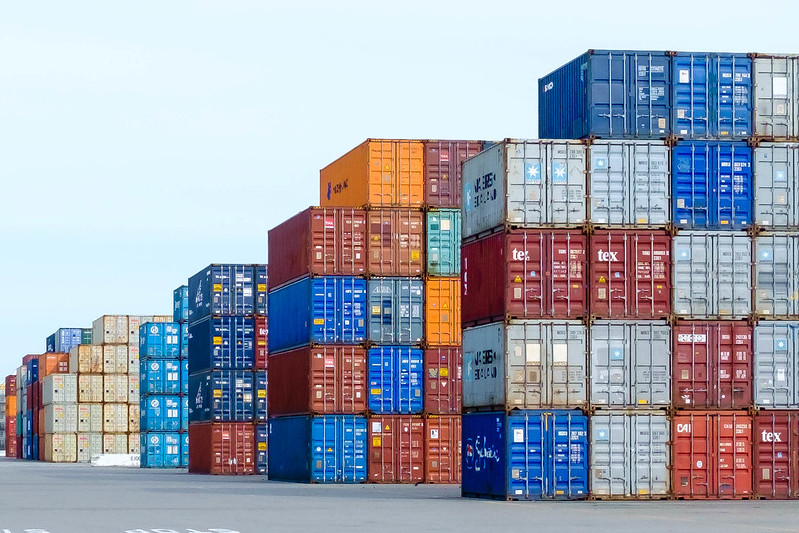

The Port of Oakland processed 163,254 twenty-foot equivalent units (TEUs) in February 2026, a 16.7% decline from January and a 14.5% decrease year over year, as vessel activity slowed due in part to observation of the Lunar New Year.
Further content is only available for registered users.
Vessel calls declined from 86 in January to 72 in February, due partially to planned blank sailings tied to factory closures during Lunar New Year. Blank sailings are pre-scheduled vessel cancellations used by carriers to align capacity with demand.
Despite fewer ship arrivals, export volumes remained a bright spot. The port handled 86,796 export TEUs, outpacing 76,458 import TEUs and reinforcing Oakland’s role as a key gateway for US agricultural and refrigerated commodities.
“February’s volume was shaped in large part by seasonal vessel scheduling around Lunar New Year,” said Bryan Brandes, Port of Oakland Maritime Director. “Even with fewer vessel calls, Oakland’s export business remained comparatively resilient, reflecting the port’s continued role as a leader in refrigerated and agricultural cargo.”
Import volumes saw the sharpest decline, falling 19.6% year over year, as reduced vessel capacity limited inbound cargo. Export volumes declined 9.5% year over year, demonstrating greater stability than imports amid shifting market conditions.
Loaded containers totalled 130,192 TEUs, continuing to account for the majority of cargo moving through the port, while empty containers reached 33,062 TEUs. The stronger performance of loaded cargo relative to empty containers indicates that underlying demand for goods remained firm.
Oakland’s cargo mix continues to reflect its structural strength in export trade. Year to date, loaded containers account for approximately 78% of total TEUs, while exports represent about 51% of overall volume, underscoring the port’s importance to Northern California’s agricultural and logistics sectors.
As vessel schedules normalise following Lunar New Year disruptions, the Port of Oakland remains well positioned to support importers, exporters, ocean carriers, and supply chain partners across the region.